The Project
We often talk of the power of art to 'make us more human', but at times this phrasing feels like a brush off or failure of imagination—as though the upholding of human values, vaguely and idealistically expressed, has been passed onto art because no one else wants the job or knows exactly what it is, and as though art itself holds our humanity like a distant seed bank preserving its archive at temperatures below zero.
Media and political language around art seems to be trapped either in the making of defensibly vague statements, or in detailed appraisals, pound for pound, of the financial return on culture as a public investment, yet in between these two poles must be an approach that's rigorous and ambitious, intolerant of self-valorisation (art saves the world) or self-pity (everything's worse than it used to be), and clear on the ability of art to transform the lives of individuals and communities.
The Adjacent Possible is a series of conversations with artists and thinkers on four big themes: Presence, Society, Ageing & Death, and The Unknown. Each of these themes takes a view on the purpose of art in relation to important contemporary movements, and tries to think about how these ideas can illuminate the fundamental nature of the circus form.
The first conversations will be published this winter.
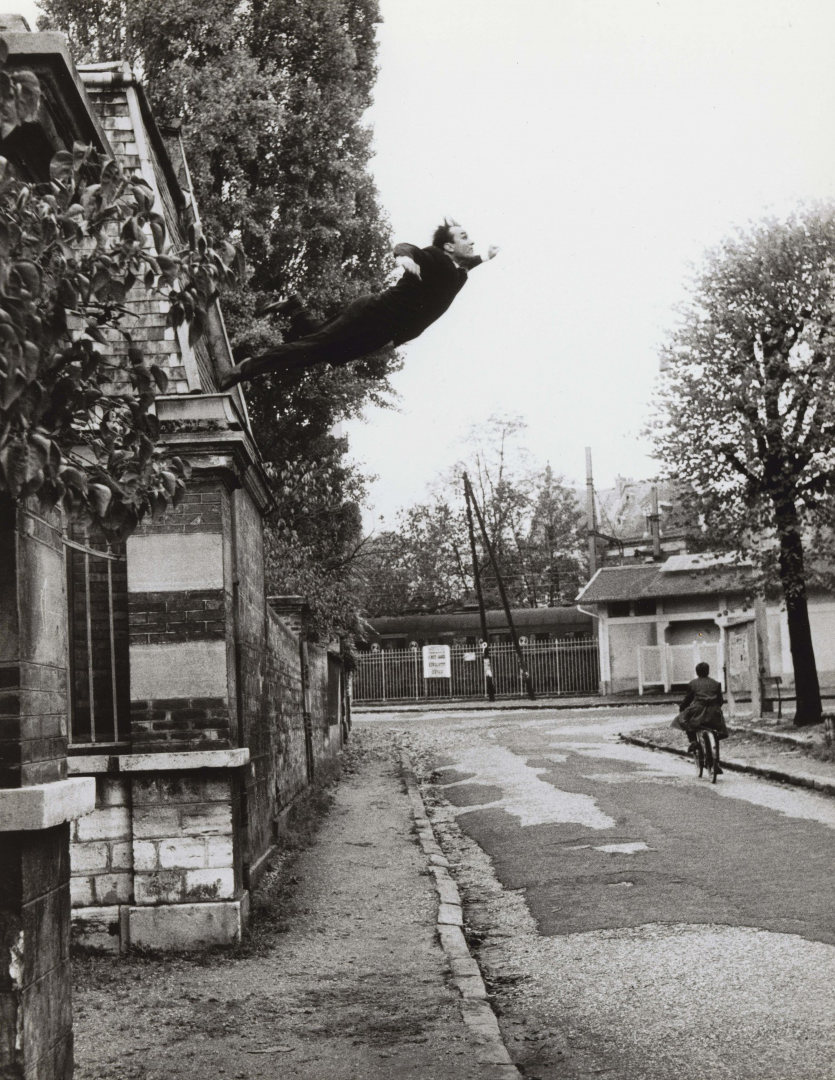
Image: Yves Klein, 'Leap into the Void'
Voice: Roberto Unger, 'Freedom, Equality and a Future Political Economy'
Being
1. the fact of existing; existence (as opposed to nonexistence).Between Being and Imagining is a four-year, practice-led research project headed by Bauke Lievens and funded by the research arm of KASK School of Arts in Ghent. It explores artistic research in contemporary circus and has four main outputs: Bauke's own practice as a dramaturg working with circus companies, a set of interviews with artists from the field, a series of masterclasses on artistic research, and a body of written output that will include a book published in 2017.
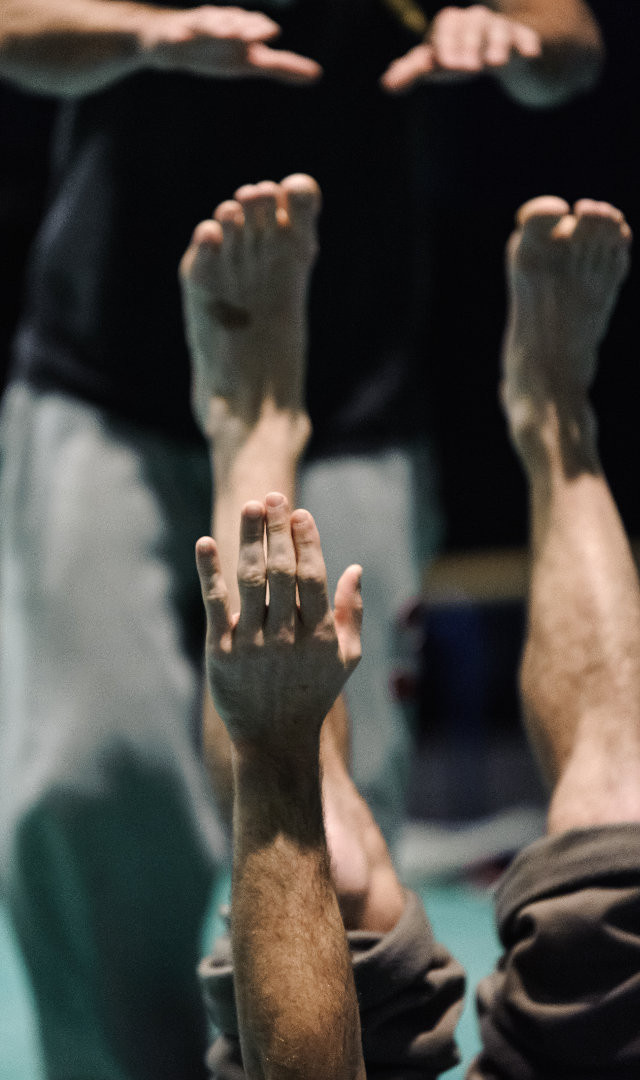
Image: Milan Szypura
Imagining
1. to form a mental image of (something not actually present to the senses).Sideshow will follow Between Being and Imagining and publish some of its findings and research—notably a series of open letters to the circus field, and the documentation for a planned series of encounters gathering circus artists and others for 'impossible conversations'.
The First Open Letter: The Need to Redefine →
The Second Open Letter: The Myth Called Circus →